Press Release

AV Receives $51 Million U.S. Army Order for Switchblade® 600 Loitering Munitions

08/26/2026

Award under Lethal Unmanned Systems IDIQ reflects growing demand for AV’s next-generation, long-range precision loitering munitions and proven Switchblade 600 performance. 

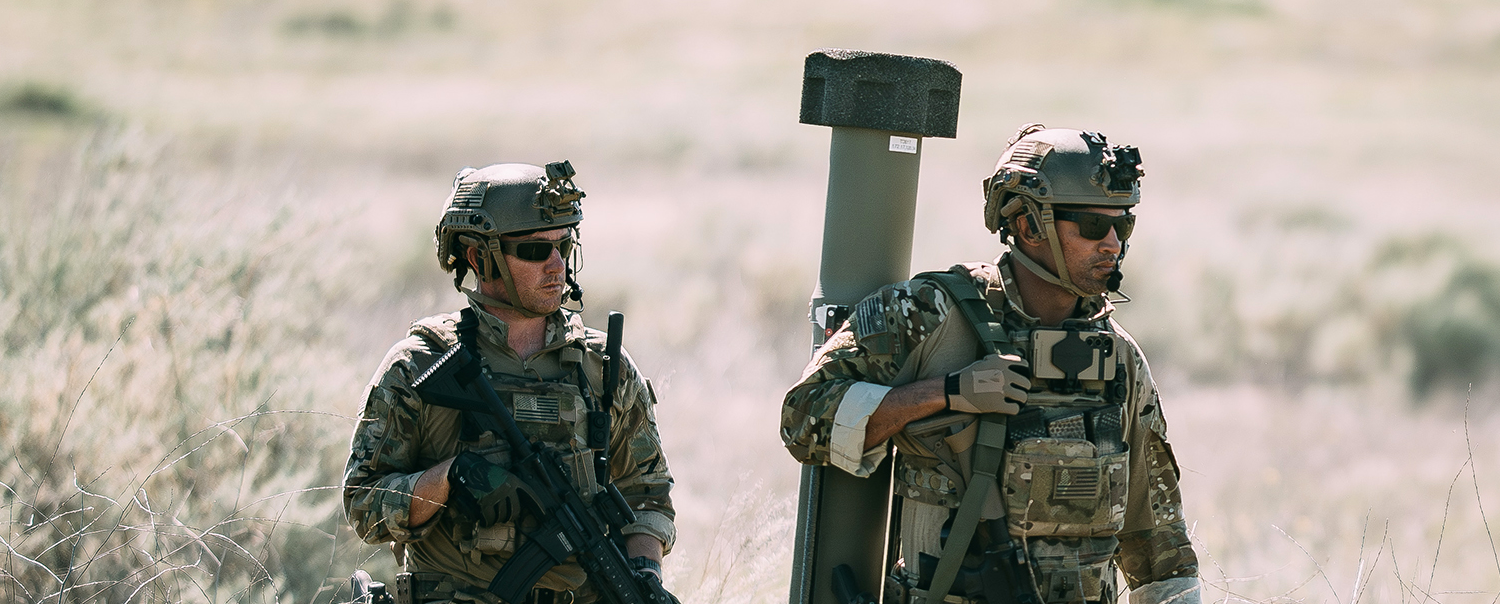
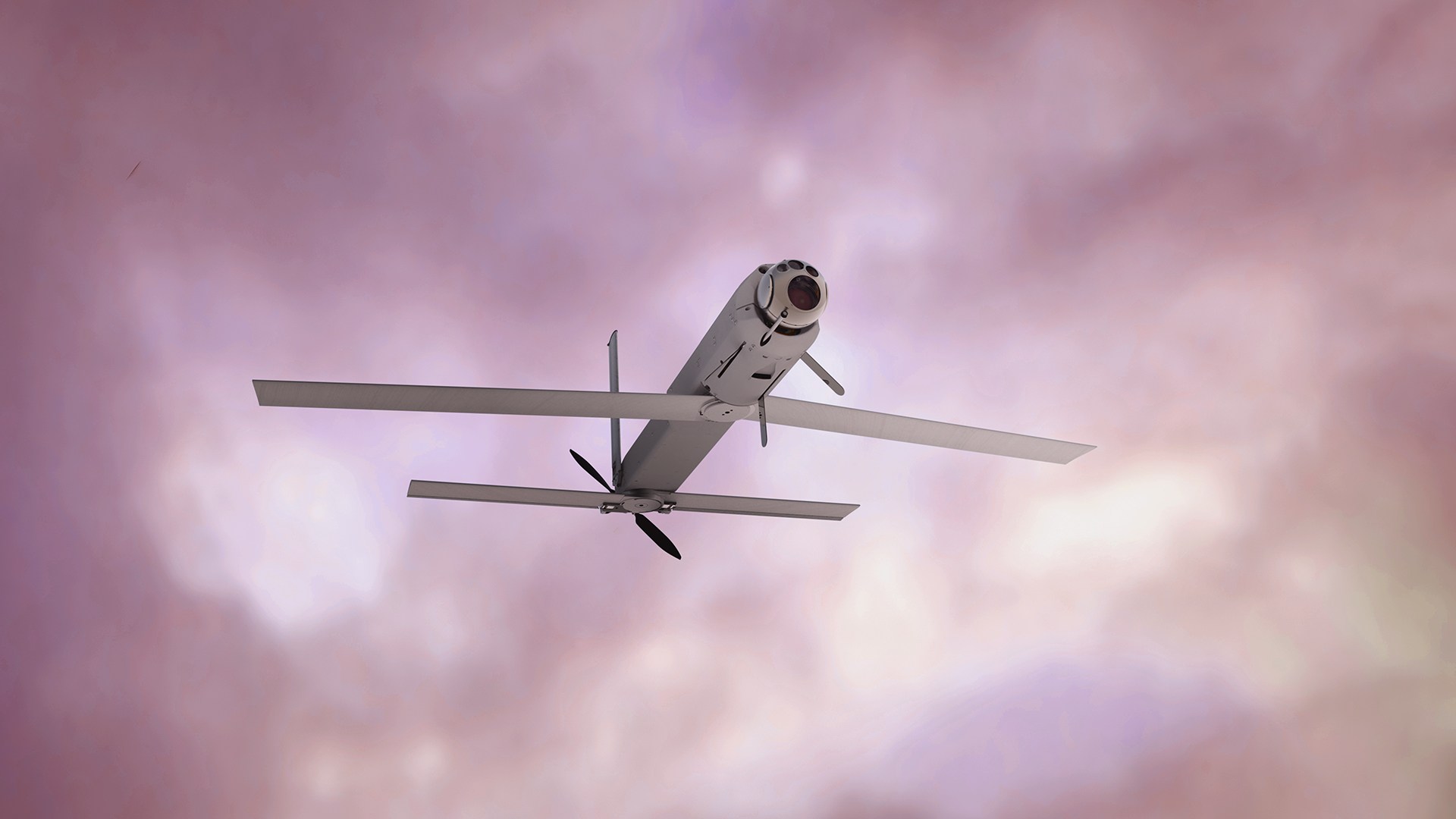
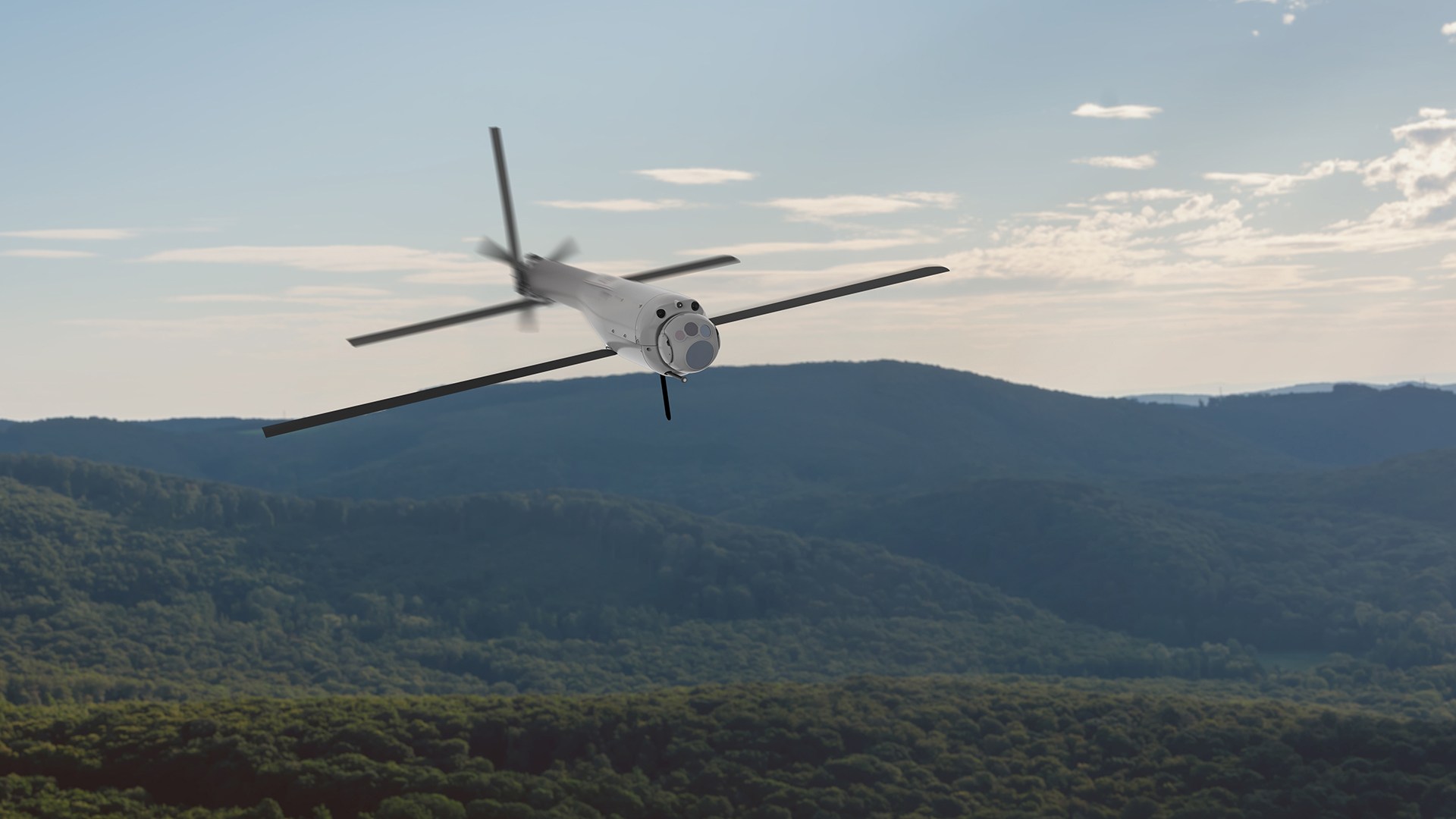
ARLINGTON, Va., August 26, 2026 – AeroVironment, Inc. (“AV”) (NASDAQ: AVAV), a global leader in defense technology, autonomous systems and precision strike solutions, today announced receipt of a $51 million delivery order from the United States Army for additional Switchblade® 600 Block 2 loitering munition systems. The order also includes Switchblade 600 Block 1 systems in support of a Foreign Military Sale to a key United States ally. 

The order was awarded under the Army’s existing five-year, $990 million Indefinite Delivery, Indefinite Quantity (IDIQ) contract for Lethal Unmanned Systems (LUS), originally issued in August 2024.  

This latest award represents a follow-on procurement to the Army’s initial order for the next-generation Switchblade product line and underscores the strong, sustained demand for AV’s battle-proven long-range, precision loitering munitions. 

“Continued investment by the U.S. Army in Switchblade 600 Block 2 reflects both the growing demand for long-range, precision loitering munitions and the proven reliability of the Switchblade family in demanding operational environments,” said Brian Young, Senior Vice President of Loitering Munitions at AV. “Building on the success of Switchblade 600 Block 1, Block 2 continues to deliver the meaningful upgrades in autonomy, resilience, and lethality tailored to the Army’s needs in contested, multi-domain operations.” 

This order also reflects AV’s expanding production capacity and performance on prior Switchblade 600 deliveries.  

“This new delivery order under the LUS IDIQ further validates Switchblade 600 Block 2 as a next-generation, scalable fires solution for the Army,” said Young. “As we expand our manufacturing capacity and accelerate delivery timelines, we’re ensuring that U.S. soldiers have reliable, combat-proven loitering munitions that deliver precision effects at range while keeping them out of harm’s way.” 

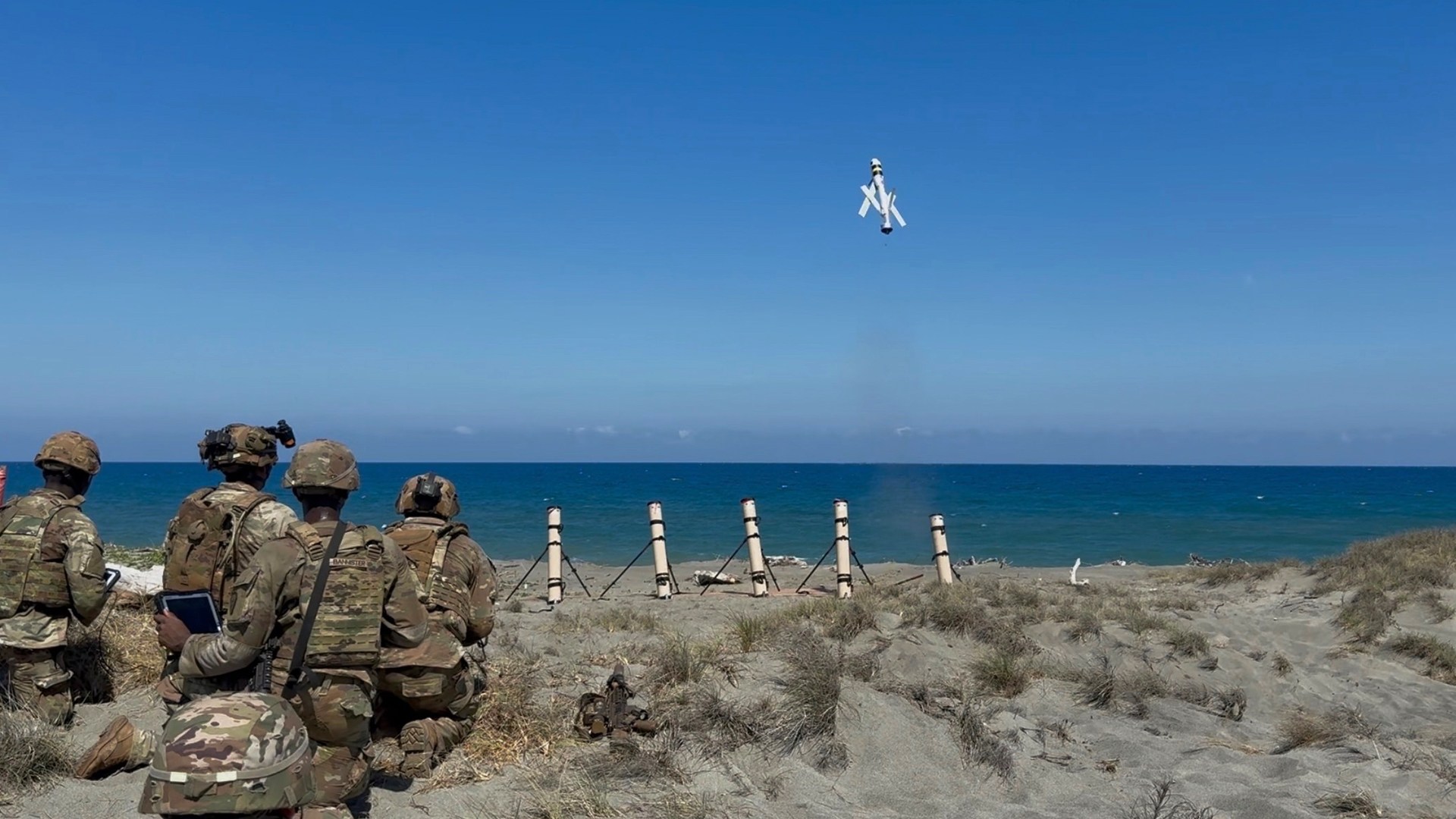
Since 2025, Switchblade 600 has been fielded across more than 20 brigade combat teams while hundreds of U.S. soldiers have been trained on the system’s operation and employment. 

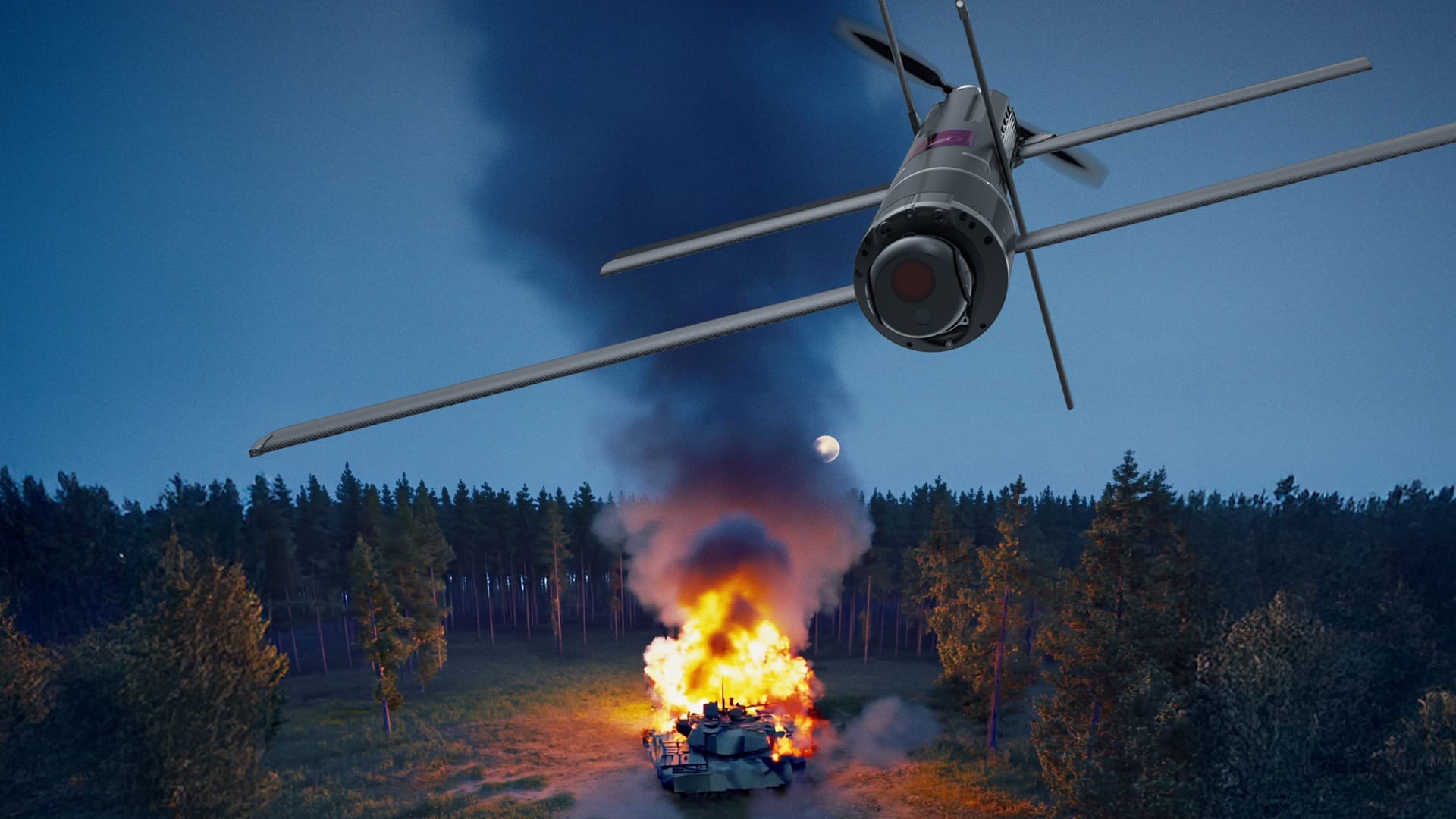
Switchblade 600 Block 2 is designed for multi-domain operations and ruggedized for maritime and highly contested environments. Developed in collaboration with United States Special Operations Command (SOCOM), the system incorporates upgraded avionics and advanced automatic target recognition including SPOTR AiTR, to enable faster detection, identification, and engagement of threats.  

Integrated resilient communications, including Silvus MANET radios, support distributed operations and extended handoff ranges, while improved navigation and mission resilience allow effective employment in GPS-challenged environments. These enhancements provide commanders with increased reach, flexibility, and confidence against armored and other high-value targets. 

About AV 

AeroVironment (“AV”) (NASDAQ: AVAV) is a defense technology leader delivering integrated capabilities across air, land, sea, space, and cyber. The Company develops and deploys autonomous systems, loitering munitions, counter-UAS technologies, space-based platforms, directed energy systems, and cyber and electronic warfare capabilities—built to meet the mission needs of today’s warfighter and tomorrow’s conflicts. At the core of these technologies lies AV_Halo™, a modular, mission-ready suite of AI-powered software tools that empowers warfighters and enables full-battlefield dominance: detect, decide, deliver. With a national manufacturing footprint and a deep innovation pipeline, AV delivers proven systems and future-defining capabilities at speed, scale, and operational relevance. For more information, visit www.avinc.com. 

Safe Harbor Statement 

Certain statements in this press release may constitute “forward-looking statements” as defined in the Private Securities Litigation Reform Act of 1995. These statements are based on current expectations, forecasts, and assumptions that involve risks and uncertainties, which could cause actual results to differ materially. Factors that may cause such differences include, but are not limited to, our ability to perform under existing contracts and obtain new ones; regulatory changes; competitor activities; market growth; product development challenges; and general economic conditions. For a more detailed discussion of these risks, please refer to AeroVironment’s filings with the Securities and Exchange Commission. We undertake no obligation to update forward-looking statements as a result of new information or future events. 

///////////////////////////////////////////////////////////////////////////////////////////////////// 

Media Contact:  

Deb Richardson
pr@avinc.com
667.356.1377 


Investor Contact:  

Denise Pacioni
ir@avinc.com
805.795.4108 

Let’s Advance Your Mission

Product Catalog

View the full catalog to explore our solutions in detail.

Thought Leadership

Stop Defending One Door. Start Defending the Whole Building.

08/24/2026

By Paul Webber, Director, Strategic Initiatives, Advanced Defense Solutions, AV 

There is a moment that is becoming increasingly common for operators. 

The sky gets busy. Alerts stack up. Tracks multiply. Radios get louder. Somebody says, “Just keep it moving,” which is not a strategy. It is a reaction to a symptom. 

In that moment, nobody is really asking, “Can we intercept a drone?” 

The real question is, “Can we get ahead?” 

That is what modern unmanned aircraft system, or UAS, threats do best. They do not need to be perfect. They just need to be numerous, fast, persistent, and cheap enough to push a defense past its carrying capacity.  

Once that happens, the attacker is no longer trying to beat your interceptor. They are trying to beat your decision loop. 

I’ve spent most of my career working with people whose job is to keep bad things from happening to Americans. For the past several years, I’ve architected counter-drone (C-UAS) solutions at AV and I’m watching the threat continue to move faster and scale wider while putting unprecedented strain on defenses both domestic and worldwide. 

In Part one of this series I’m authoring, I framed the problem as an S-curve mismatch: legacy air defense architectures built for a different threat regime, now stressed by UAS operating at scale, tempo, and decision-compressing speed. 

Part two is about the path to a solution: not a single sensor, not another screen, and not a big-bang leap to autonomy. The answer, I believe, is a phased, distributed architecture that increases defensive carrying capacity without overwhelming operators. 

At AV, I’m part of a team that is making that path real through testing with an important milestone upcoming as we deploy our layered defense product known as Halo_Shield™ at GrandSKY in Grand Forks, North Dakota, one of the nation’s premier unmanned aircraft systems research and testing hubs.  

GrandSKY is the right kind of environment for this work: operationally relevant, adjacent to Grand Forks Air Force Base, deeply tied to unmanned aircraft system research and testing, and complex enough to expose whether a layered counter-UAS architecture can move from concept to implementation. 

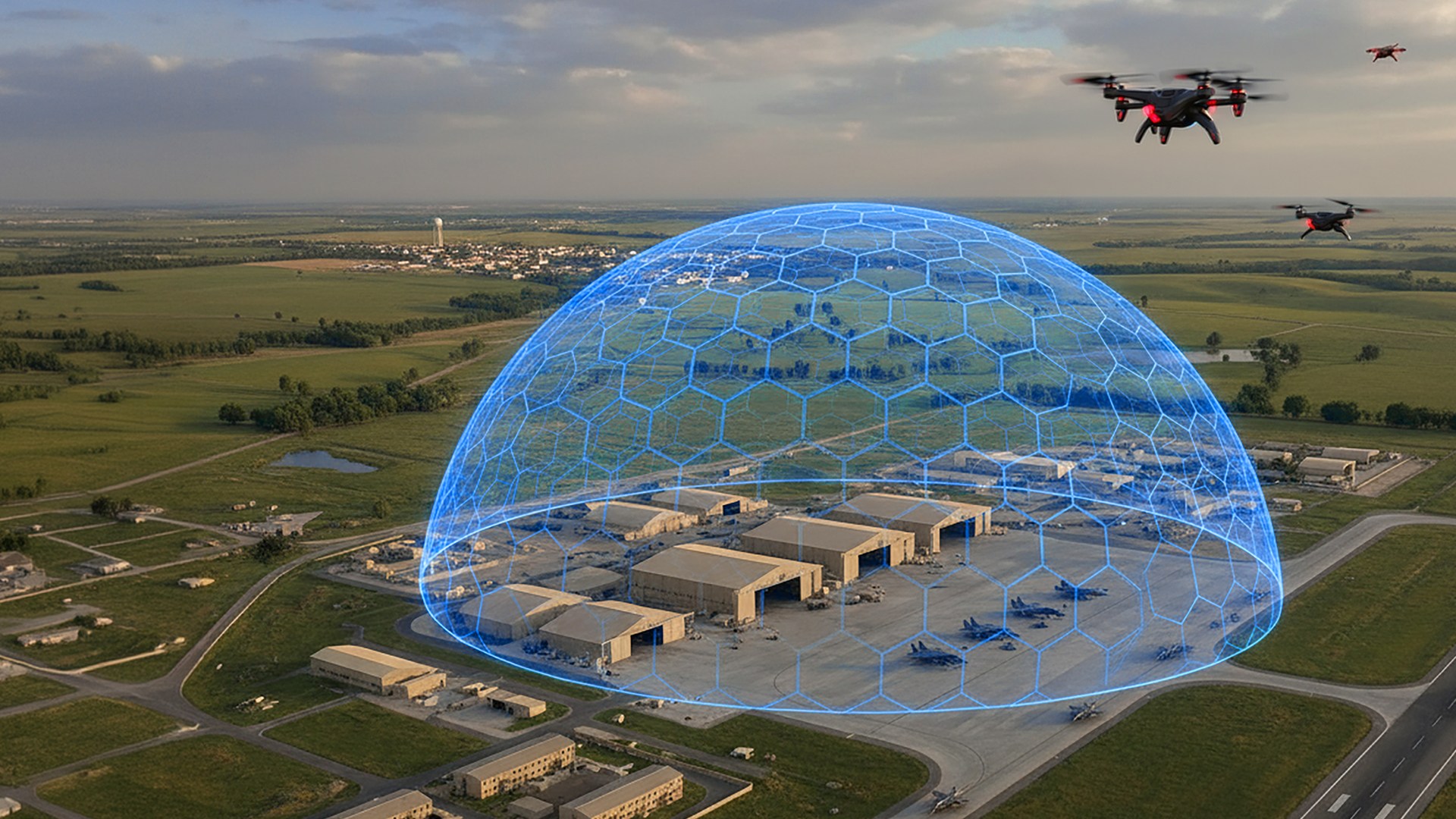
GrandSKY is not just a demonstration site. It is a proving ground for how Halo_Shield can grow from an initial tile into a scalable, distributed shield over time. 

The goal is not just to defend GrandSKY. The goal is to show how a critical asset location can evolve from an initial protective footprint into a distributed, layered shield that can be adapted for military installations, research facilities, airports, seaports, borders, power grids, energy sites, data centers, and other critical infrastructure. 

MAYA Applied to Counter-UAS 

MAYA, Most Advanced Yet Acceptable, is not a branding exercise.  

Applied to C-UAS, MAYA means being advanced enough to compress the OODA loop (Observe, Orient, Decide, Act) against scale and speed, while still acceptable enough to fit real operator workflows, rules of engagement constraints, and integration realities. 

In counter-UAS, it is the difference between a capability that looks impressive in a briefing and one an operator will actually use when the sky gets busy. 

It’s more than “Just keep it moving.” 

MAYA keeps the solution path honest by forcing three questions: 

  • Can we field a solution now without breaking existing workflows? 
  • Can we grow the solution without rewriting the system every time we add a sensor or effector? 
  • Can we trust the solution under load, when timelines collapse and operators are attention-limited? 

That is why the path has to be fielding a solution that is incremental.  

You do not jump from manual control to full autonomy in one leap. You earn trust in phases. Each phase should be measurable, explainable, and operationally useful on its own. 

Phase One of deploying Halo_Shield at GrandSKY allows for that trust to grow, beginning with a Terrestrial Tile-driven configuration focused on detection, tracking, identification, and defeat of small UAS threats, while also establishing initial Left-of-Launch detection and a focused ARGUS™ perimeter defense footprint.  

This phase is advanced but not abstract. It is designed to show what can be fielded, measured, improved, and expanded. 

What Distributed Defense Looks Like in Practice 

Traditional point defense concentrates sensors and effectors in one location and runs the mitigation cycle from that single position. It is a valid construct, but it comes with hard ceilings: finite magazine depth, finite operator bandwidth, limited coverage geometry, and a natural pull toward centralized decisions that can make the system itself the bottleneck. 

Distributed defense does not concentrate capacity. It multiplies it. 

Halo_Shield is built around mission-specific, purpose-built Tiles: Sentinel, Terrestrial, Nautical, Aerial, and Celestial. Each Tile is a defined operational area where sensors, effectors, software, and command-and-control workflows are configured around a mission, terrain, asset, and threat profile. 

In Phase One of deployment at GrandSKY, the first step is the Terrestrial Tile. That configuration integrates AV_Halo™ COMMAND for layered battle management and command and control (C2), while remaining compatible with peer and higher-echelon battle management command and control (BMC2) platforms. It brings together: 

  • TITAN®-SV MPV3 — C-UAS RF detection  
  • ARGUS™ — perimeter security and ground-domain awareness  
  • Passive radar — non-emitting detection and tracking of airborne targets  
  • Acoustic sensors — passive detection and cueing based on aircraft signatures  
  • EO/IR — visual confirmation, classification, identification, and precision tracking  
  • TITAN® — C-UAS RF detection and defeat  
  • AV_Halo™ COMMAND — battle management C2 that fuses these sensor inputs into a common operating picture and enables automated edge responses  
  • — along with additional AV and OEM partner capabilities. 

The practical effect is straightforward: distributed, multi-modal sensing extends detection and tracking, improves identification and situational awareness, and creates multiple opportunities to detect the same threat before it reaches the defended asset. RF, passive radar, acoustic, and EO/IR sensors provide complementary views of the battlespace, while AV_Halo COMMAND correlates those inputs into a common track picture. A predominantly passive sensor posture also allows the system to maintain persistent awareness while minimizing emissions and reducing the likelihood that the defensive architecture becomes an obvious target itself. 

Point defense is a single strong door.  

AV’s Halo_Shield is the perimeter, the hallway, the cameras, the listening posts, the lighting, the locks, and the guards moving through the building. You still want the strong door. You just do not want your first indication of a threat to be the sound of the doorframe cracking. 

At GrandSKY, the objective is not simply to defend the front door. It is to create multiple layers of awareness and response throughout the entire building. 

A New Mitigation Cycle for a New Threat Curve 

Distributed defense also requires updating the targeting methodology. The legacy cycle — Detect, Track, Identify, Process, Engage — was built around individual engagements. 

The distributed cycle is built for throughput: 

Place → Sense → Find → Fix → Pair → Engage → Assess 

This shift is not cosmetic. It changes how you scale. 

Place creates capacity. Coverage is designed, not assumed. 

Sense, Find, and Fix build confidence early and reduce downstream uncertainty. 

Pair preserves resources by matching the right effector to the right threat at the right time. 

Engage and Assess close the loop fast enough to handle the next track, the next axis, and the next wave. 

This is where GrandSKY becomes more than an installation. It becomes an operational test of whether a modular architecture can reduce operator workload, validate advanced planning and engagement tools, and support coordinated response in a realistic environment. 

The legacy cycle optimizes for the single shot. The distributed cycle optimizes for sustained throughput under pressure. 

The Phased Maturity Model, Building Trust 

The solution path for counter-UAS leaders is not “autonomy now.”  

It is staged maturity that builds confidence, capability, and trust over time. 

Phase 1: Auto-cue 

Auto-cue speeds Observe and Orient without changing the fundamentals of control. The solution architecture cues higher-fidelity sensors based on initial detections. Operators retain ownership of identification and engagement decisions. 

This is a natural fit for GrandSKY Phase One. The Terrestrial Tile establishes the foundation for early detection, sensor cueing, track development, and operator confidence without forcing a leap into unfamiliar workflows. 

Phase 2: Auto-task 

Auto-task makes the network behave like a network. Sensors and workflows are coordinated across the Tile automatically. Operators stay in control of decisions, but the system reduces the manual choreography that burns time and attention. 

This is where defensive carrying capacity starts to increase without simply adding more people. The goal is not to make the operator work faster. The goal is to remove work the operator should not have to do in the first place. 

Phase 3: Recommendations 

This is where scale becomes real. The solution architecture recommends actions, particularly weapons pairing and scheduling, based on track confidence, resource availability, constraints, timing, and rules of engagement. Humans remain in charge. 

Two rules apply here: recommendations must be explainable, and they must perform under load. If the system cannot explain why it recommends a course of action, operators will not trust it. If it only performs on a quiet day, it is not ready. 

At GrandSKY, this is one of the key values of a phased approach. Initial deployment can validate sensing, tracking, and workflow performance. Later phases can add more complex effectors, additional sensors, and more advanced pairing logic once the foundation is stable. 

Phase 4: Conditional autonomy with human oversight 

When threat volume or time-of-arrival compresses beyond human-compatible tempo, the system can execute within pre-approved policy, constraints, and commander’s intent, with humans supervising and able to intervene. 

This is not humans out of the loop. It is humans above the loop. 

Autonomy should function as a relief valve, not a default setting. The goal is not to replace human judgment. It is to preserve it when the sky gets crowded. 

Phasing to the Solution 

The solution path is not a big-bang leap to autonomy. It is phased adoption that builds trust, increases throughput, and expands defensive carrying capacity over time. 

GrandSKY gives that path a real implementation environment. 

Distributed Tiles expand situational awareness and multiply capacity. The updated mitigation cycle creates room for pairing, scheduling, and rapid assessment at scale. MAYA keeps the approach grounded in what operators will actually use, leaders can actually field, and integrators can actually sustain. 

The question to carry into Part 3 is simple: 

Are you buying point solutions, or are you building a path to scale that holds up when the sky gets busy? 

ABOUT THE AUTHOR 

Paul Webber is a retired Marine Raider and strategic advisor with over two decades of leadership, special operations, and systems analysis experience. He blends operational insight with design thinking to tackle complex defense challenges, particularly in emerging domains like C-UAS. Paul holds an MBA from the University of Georgia, an MS from the Naval Postgraduate School, maintains a Top Secret-SCI clearance, and applies a human-centered lens to technology adoption and workflow design in defense environments. 

—— 

ABOUT AV — JOINING THE MISSION 

AeroVironment (AV) is a defense technology company with a mission to invent and deliver advantage to U.S. and allied militaries. AV isn’t for everyone. We hire the curious, the relentless, the mission-obsessed.  

AV doesn’t just build defense technology; we redefine what’s possible. As the premier autonomous systems company in the U.S., we deliver breakthrough capabilities across air, land, sea, space, and cyber. From autonomy-enabled drones and loitering munitions to integrated autonomy and space resilience, our technologies shape the future of warfare and protect those who serve. 

Founded by legendary innovator Dr. Paul MacCready, AV has spent over 50 years pushing the boundaries of what unmanned systems can do. Our heritage includes seven platforms in the Smithsonian—but we’re not building history, we’re building what’s next. 

If you’re ready to build technology that matters – with speed, scale, and purpose – come find your people.  

EXPLORE OPPORTUNITIES 

Let’s Advance Your Mission

Product Catalog

View the full catalog to explore our solutions in detail.

Thought Leadership

2nd Marine Regiment Tests First-Ever Group 3 UAS Capabilities at the Conventional Level

07/22/2026

Posted to DVIDS

07.17.2026

Story by Sgt. Alexis French 

2nd Marine Division  

MARINE CORPS AIR GROUND COMBAT CENTER TWENTYNINE PALMS, Calif. – Amidst the remote sands and sweltering heat of the California desert, 2nd Marine Regiment, 2nd Marine Division, embarks on the U.S. Marine Corps’ pioneer test of the JUMP 20-X equipped with the Switchblade 300 Block 20 at the conventional level during Service Level Training Exercise 4-26.

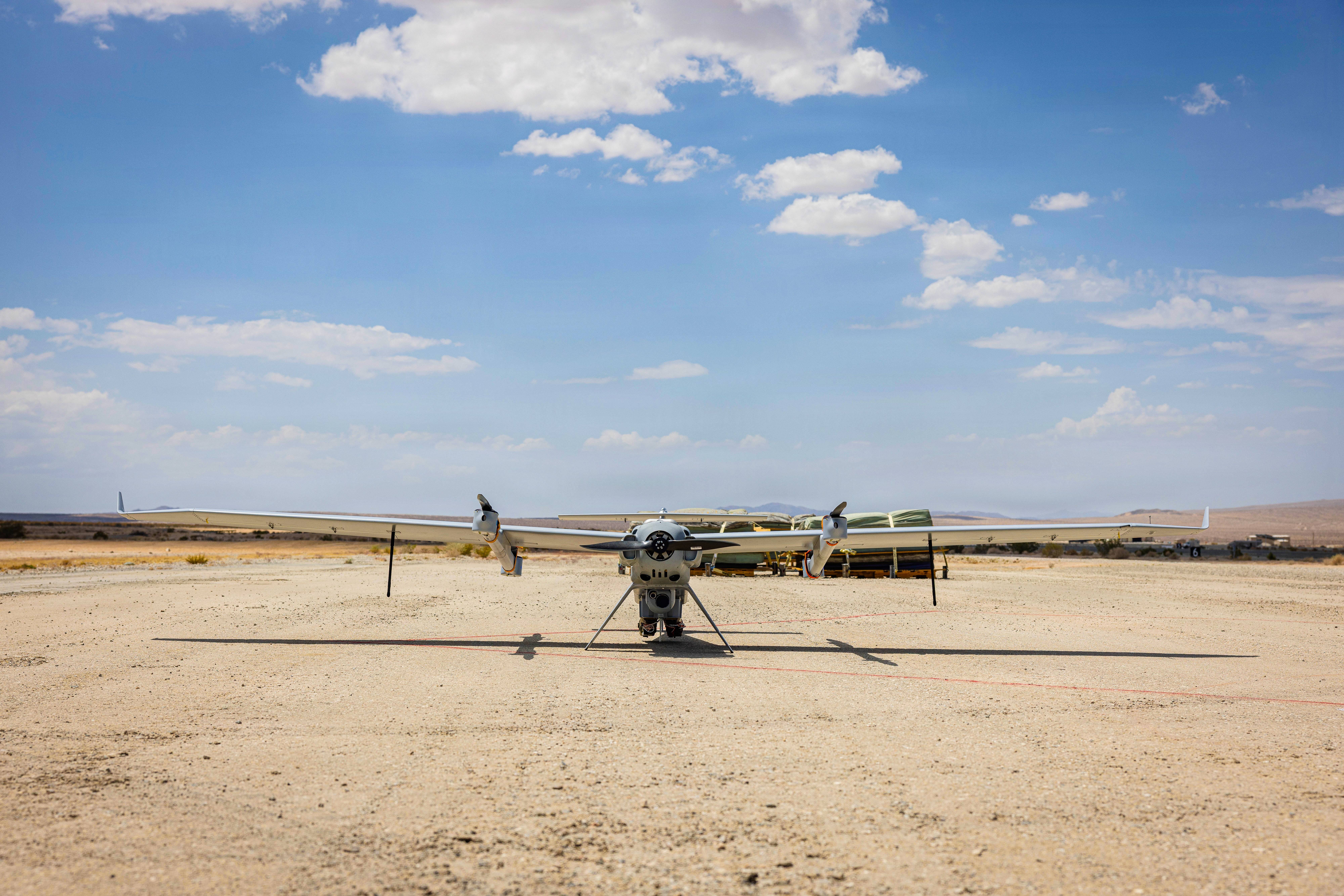
JUMP 20-X is a Group 3 unmanned aircraft system possessing capabilities of 12 hours in-air flight time, electro-optical infrared camera payloads, a 115-mile operational range, and up to 30-pounds of payload capacity—leading to one of Jump 20-X’s biggest assets: the Switchblade 300 Block 20, a loitering munition released from the undercarriage of the JUMP 20-X.

On July 16th and 17th, 2nd Marines experimented JUMP 20-X equipped with the Switchblade 300 Block 20 munition alongside developer, AeroVironment. In a groundbreaking success for the regiment, they accurately engaged a target 25 kilometers into the battlespace.

[Switchblade 300 Block 20] can be launched, go into a holding pattern as you look for your adversary and you can directly fly some organic precision fires that are tube launched from Marines on the ground,” said CWO2 Christopher Leone, the 2nd Marine Regiment intel operations and fusion officer; and intelligence, surveillance and reconnaissance tactical controller. “For the JUMP 20-X experiment that we’re doing, AeroVironment has tested its capabilities to launch that same ground loitering munition from the belly of the bird itself.”

Incorporating the Switchblade 300 Block 20 into the battlefield gives the Marine Corps an additional loitering munition that organically incorporates with troops on the ground–similar to Organic Precision Fires-Light that is currently used by infantry units–and provides fires at the regiment level to engage the adversary.

“We at 2nd Marines are the first ones testing a Group 3 asset at the Regimental level,” Leone said. “[The Marine Corps has] the Marine Unmanned Aerial Vehicle Squadrons 1, 2, and 3 that fly the MQ-9s in the Group 5 level of assets, but it would be great for the Regiment because we’re outside of the [air] wings. We’re supporting the Ground Combat Element that doesn’t have an asset that can fly as far as the Group 5, so this is something that hasn’t been tested before.”

2nd Marines realizes the positive impact this Group 3 asset will have in future operations as it provides capabilities not found in the Marine Corps’ other assets.

2nd Marine Regiment has only USMC Group 1 Program of Record in their arsenal to include the Puma AE, and quadcopters such as SkyDio X2D and Sky Raider, stated Leone.

With Group 1 assets having small duration flight times ranging from 30 minutes to an hour and a half and limited flight distance, the JUMP 20-X stands out for its longevity and ability to travel miles into deep battlespace.

“[JUMP 20-X] is big for us, and to fly it into the regimental deep space as we’re looking to shape fires in the environment for our battalions to keep moving towards the next objective–none of our current PORs that are Group 1 would be able to go that far,” Leone said. JUMP 20-X is a product of AeroVironment, who is also the producer of the Marine Corps’ Puma AE. Having that working relationship with the company, 2nd Marines reached out in February of this year, interested in their Group 3 capabilities.

“As the [2nd Marine] Regiment, this is the first conventional unit to at least test and do a combat research and development agreement with AeroVironment,” Leone said, referring to the predominant units working with AeroVironment being special forces across the Department of War. “We invited AeroVironment out here for our mid-planning conference, all in support of SLTE 4-26, and they agreed upon it and are in direct support of the regiment to give us this capability.”

As of now, 2nd Marines does not have any Small Unmanned Aircraft System Operators, MOS 7316, who have the training to fly Group 3 assets.

We’re trying to fix the lack of pilots for Group 3 through this week’s testing, experimentation and research, Leone said. Currently, MOS 7300 Marines fly the Group 2 Stalker and Group 5 assets.

Through learning side-by-side with AeroVironment contractors, who operate JUMP 20-X for the Marines at SLTE 4-26, 2nd Marines is confident that with their support through MDMX and MWX force-on-force later this August, they’ll be ahead of the curve in targeting the adversary–advancing the Marine Corps’ future of UAS capabilities deep into the ever-changing battlefield.

Let’s Advance Your Mission

Product Catalog

View the full catalog to explore our solutions in detail.

Thought Leadership

Why We Created MAYHEM 10—and What the Battlefield Now Demands

05/18/2026

By Brian Young, Senior Vice President of Loitering Munitions 

For most of the last two decades, the question in precision strike has been straightforward: can you find and hit the target? 

That standard didn’t just influence a category, it defined it. It laid the foundation for systems like Switchblade®, the weapon that wrote the loitering munition playbook and invented an entirely and way of thinking. 

But the battlefield has changed. 

Today, the challenge isn’t just hitting a target. It’s understanding what that target is, how it’s behaving, what else is happening around it, and then deciding, in real time, what effect actually makes sense. In many cases, destruction isn’t the first or even the best option. 

What we’re seeing now is a gap between how quickly threats are evolving and how rigid many systems still are. Threats are more dynamic, more distributed, and more difficult to detect. They operate in contested and denied environments, often without reliable GPS, and they evolve faster than traditional systems can adapt. 

At the same time, many U.S. and partner platforms remain locked into a single mission, configured and deployed with a fixed outcome in mind. Which forces operators to commit early, often before they have the full picture, and limits their ability to adjust when the situation inevitably changes. 

That’s the problem we set out to solve. 

We created MAYHEM 10 because the battlefield now demands flexibility at a level that hasn’t existed in this category before. It’s not just about delivering an effect, it’s about tailoring that effect to the threat, in real time, as the mission unfolds. 

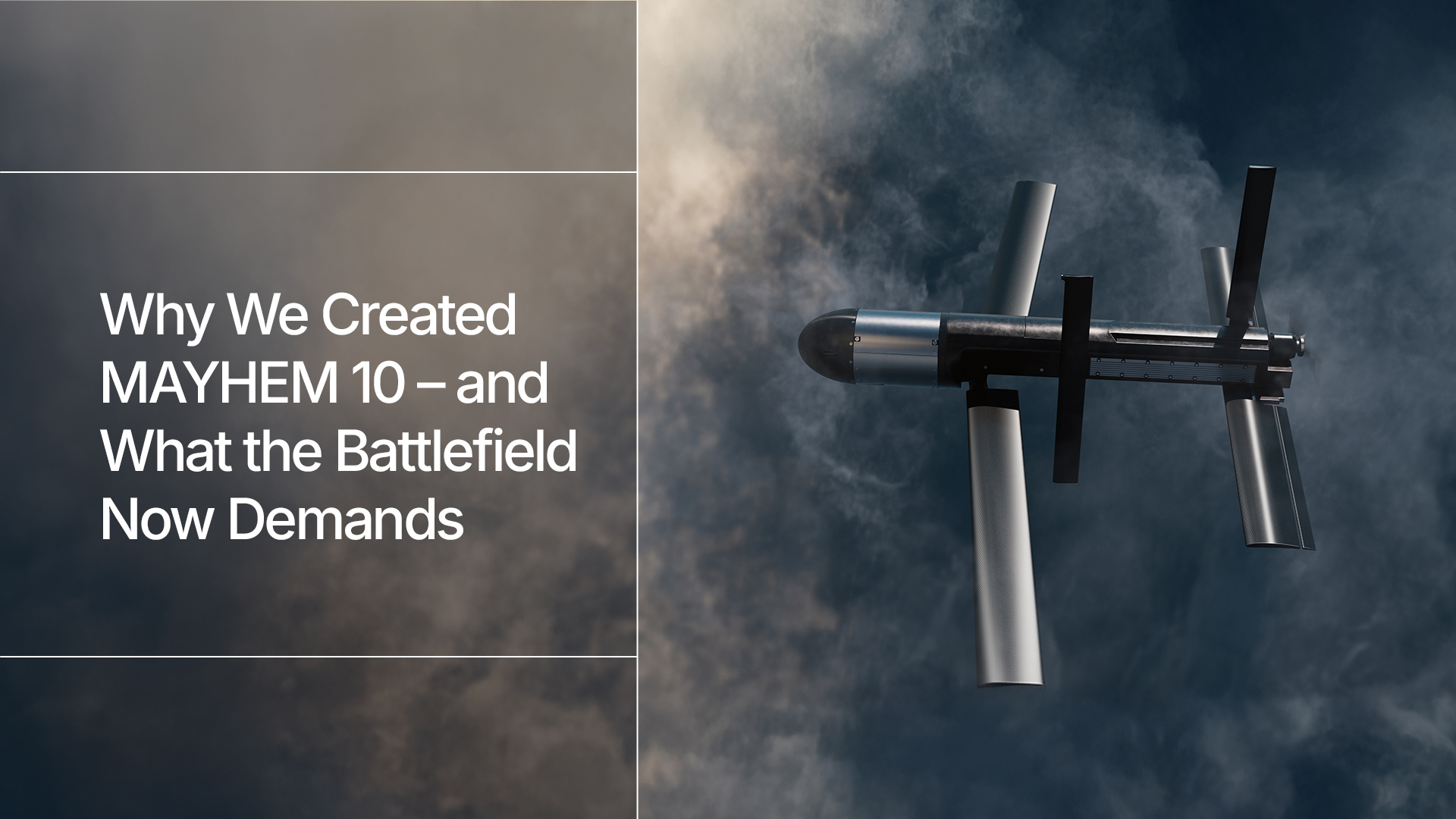
MAYHEM 10 is the first system in a new product line built around that idea. At its core, it’s a multi-role launched effect designed to give operators options. Not just the ability to strike, but to observe, detect, disrupt, deceive, relay communications, and, when required, apply kinetic force. 

That may sound like a simple expansion of capability, but it’s actually a shift in how these systems are designed and employed. 

The key difference is that MAYHEM 10 isn’t just a munition. It’s an architecture. 

We built it as an open, modular system from the beginning. That allows us to integrate multiple payloads like EO/IR sensors, electronic warfare packages, communications relays, and lethal effects onto a single platform. It also allows us to bring in third-party software and autonomy much more quickly, treating capability more like an application than a fixed feature set. 

In practical terms, that means a single system can launch, navigate into a contested environment, detect signals, identify targets, and determine the appropriate response, all within the same mission profile. 

And importantly, it can do that at meaningful operational distances—on the order of 100 kilometers with up to 50 minutes of endurance, while maintaining standoff from the threat. 

Where this truly changes the equation is when MAYHEM 10 operates in a pack.  

There’s a lot of discussion right now around “swarming.” I think that term misses the point. What matters isn’t just putting more systems in the air. It’s creating coordinated, collaborative effects that actually solve the mission. 

With MAYHEM 10, we’re focused on collaborative attack and on systems that communicate, share information, and dynamically assign roles in real time. 

That allows a team of systems to operate very differently than anything we’ve seen before. 

One system might be focused on signal detection. Another might classify and confirm a target using onboard sensors and AI-enabled targeting. A third might carry the appropriate effect, kinetic or non-kinetic, and execute at the right moment. And because they’re connected through a secure mesh network, they can adjust roles as the situation changes. 

That’s the real advantage. 

It’s not just mass. It’s intelligent mass, where every system contributes to the mission in a coordinated way. 

That coordination also compresses the sense-decide-act loop. Instead of passing information between disconnected systems, decisions can be made within the network itself, at machine speed, while still keeping the operator in control of how autonomy is applied. 

This is especially important in contested environments. 

We’ve designed MAYHEM 10 to operate where GPS may be denied and communications are challenged. By combining onboard processing, alternative navigation approaches, and adaptable data links, the system can continue to function even as conditions degrade. 

At the same time, the architecture allows us to rapidly integrate new technologies as they emerge, whether that’s improved autonomy, better sensors, or more advanced electronic warfare capabilities. The system isn’t locked into what it was at launch. It evolves. 

That speed of adaptation is critical. 

If there’s one clear lesson from recent conflicts, it’s that timelines have compressed dramatically. Capabilities are evolving in weeks, not years. Systems that can’t keep up become obsolete quickly. 

We built MAYHEM 10 to operate on that timeline. 

It’s modular in production, which means we can configure systems late in the process based on mission needs. It’s designed for scalable manufacturing, ultimately reaching Low-Rate Initial Production by Fall of 2026 with the ability to scale to hundreds per month by the first half of 2027. And it’s built to accept updates in the field, so capability can continue to improve after deployment. 

At the same time, none of this matters if the system isn’t reliable. 

One of the most important lessons we’ve learned over the past 20 years is that reliability is a capability. It’s what allows you to scale. It’s what builds trust with the operator. And it’s what ensures that when a system is called upon, it performs exactly as expected. 

We’ve taken that foundation, everything we’ve learned from developing and deploying loitering munitions at scale and built it into MAYHEM 10. 

What we’re ultimately delivering is not just a new system, but a new way of thinking about this category. 

The future isn’t about single-purpose platforms. It’s about multi-mission systems that can adapt to a wide range of scenarios. It’s about software-defined capability that evolves over time. And it’s about coordinated systems that can operate together to create effects greater than the sum of their parts. 

The battlefield is only getting more dynamic. 

The systems that succeed won’t be the ones that hit the hardest. They’ll be the ones that adapt the fastest, coordinate the smartest, and deliver the right effect at the right moment. 

That’s why we created MAYHEM 10. 

ABOUT THE AUTHOR 

Brian Young is Senior Vice President of Loitering Munitions at AeroVironment, where he leads the company’s portfolio of precision strike and launched effects systems, including the combat-proven Switchblade® family and next-generation platforms such as MAYHEM 10. With more than two decades of experience in aerospace and defense, he specializes in advancing autonomous systems, scalable production, and mission-adaptable capabilities for modern warfare.  

He has played a central role in evolving loitering munitions from single-purpose systems into flexible, multi-mission solutions that support distributed operations across air, ground, and maritime domains. 

JOIN THE AV MISSION 

AV isn’t for everyone. We hire the curious, the relentless, the mission-obsessed. The best of the best. 

We don’t just build defense technology—we redefine what’s possible. As the premier autonomous systems company in the U.S., AV delivers breakthrough capabilities across air, land, sea, space, and cyber. From AI-powered drones and loitering munitions to integrated autonomy and space resilience, our technologies shape the future of warfare and protect those who serve. 

Founded by legendary innovator Dr. Paul B. MacCready, Jr., AV has spent over 50 years pushing the boundaries of what unmanned systems can do. Our heritage includes seven platforms in the Smithsonian—but we’re not building history, we’re building what’s next. 

If you’re ready to build technology that matters—with speed, scale, and purpose—there’s no better place to do it than AV. 

EXPLORE OPPORTUNITIES 


Let’s Advance Your Mission

Product Catalog

View the full catalog to explore our solutions in detail.

Press Release

U.S. Army Selects AV’s Switchblade® 400 for LASSO Program

05/04/2026

Award establishes Switchblade 400 as key component of Army’s enduring next-generation loitering munition program

ARLINGTON, Va. — May 4, 2026 — AeroVironment, Inc. (“AV”) (NASDAQ: AVAV), today announced that it has been awarded a prototype agreement from the U.S. Army for the Low-Altitude Stalking and Strike Ordnance (LASSO) program to support the rapid development, delivery and testing of the Switchblade® 400 loitering munition.

The award establishes Switchblade 400, AV’s medium-range, man-portable, anti-armor loitering munition, as a key component of the Army’s LASSO Program, supporting the service’s modernization priorities for rapidly deployable, precision strike capabilities that can operate effectively in contested environments.

“This award reflects the Army’s confidence not only in Switchblade 400, but in AV’s ability to deliver at scale,” said Trace Stevenson, President of Autonomous Systems at AV. “Being selected under the LASSO program positions AV as a long-term partner to the Army as it modernizes its loitering munition capabilities, from development and testing through production, fielding, and continuous capability evolution.”

The first loitering munition purpose-built to operate within AV_Halo™, AV’s modular command-and-control ecosystem, Switchblade 400 incorporates advanced aided target recognition (ATR) and autonomous capabilities to detect, classify, and engage targets, day or night, in denied and contested environments while delivering the same anti-armor performance comparable to larger systems, like the Switchblade 600 Blk 2.

Core to Switchblade 400 is the implementation of a Modular Open Systems Approach (MOSA) in system design to ensure long term system resilience and relevance allowing for interoperability, upgradeability, and affordability as missions evolve.

Known as the “Lightweight Tank Destroyer,” and sized to fit common launch tubes, Switchblade 400 enables a sensor-to-shooter concept of operations that allows a single soldier to detect, identify, and engage targets through a unified, networked architecture – shortening decision timelines while increasing precision, speed, and operational flexibility at the tactical edge. The system features an all-up round (AUR) weighing under 40 pounds that provides the soldier with a lightweight, man-portable, anti-tank weapon system.

“Switchblade 400 is the product of continuous feedback from the field and the soldiers who rely on our systems in real-world operations,” said Brian Young, Senior Vice President of Loitering Munitions at AV. “We are constantly leaning forward, integrating new capabilities, enhancing performance, and reducing the burden on the warfighter. That soldier-driven approach is central to how we develop, test, and deliver capability for the Army.”

The new OTA award under LASSO follows a recent $186 million delivery order from the U.S. Army for Switchblade®600 Block 2 and Switchblade® 300 Block 20 explosively formed penetrator (EFP) loitering munition systems, part of the Army’s existing five-year, $990 million Indefinite Delivery, Indefinite Quantity (IDIQ) contract under the Lethal Unmanned Systems (LUS) Directed Requirement (DR), which was awarded in August 2024.  It was the Army’s first Switchblade order containing EFP payload, delivering enhanced lethality against armored threats.

“The Army’s trust in the Switchblade family has been earned through years of real-world use by soldiers who rely on these systems every day,” said Jimmy Jenkins, Executive Vice President of Precision Strike and Defense Systems at AV. “That trust reflects a clear operational need for precision, speed, and adaptability at the tactical edge—capabilities the Switchblade family is designed to deliver as missions and threats continue to change.”

About AV

AeroVironment (“AV”) (NASDAQ: AVAV) is a defense technology leader delivering integrated capabilities across air, land, sea, space, and cyber. The Company develops and deploys autonomous systems, loitering munitions, counter-UAS technologies, space-based platforms, directed energy systems, and cyber and electronic warfare capabilities—built to meet the mission needs of today’s warfighter and tomorrow’s conflicts. At the core of these technologies lies AV_Halo™, a modular, mission-ready suite of AI-powered software tools that empowers warfighters and enables full-battlefield dominance: detect, decide, deliver. With a national manufacturing footprint and a deep innovation pipeline, AV delivers proven systems and future-defining capabilities at speed, scale, and operational relevance. For more information, visit www.avinc.com.

Safe Harbor Statement

Certain statements in this press release may constitute “forward-looking statements” as defined in the Private Securities Litigation Reform Act of 1995. These statements are based on current expectations, forecasts, and assumptions that involve risks and uncertainties, which could cause actual results to differ materially. Factors that may cause such differences include, but are not limited to, our ability to perform under existing contracts and obtain new ones; regulatory changes; competitor activities; market growth; product development challenges; and general economic conditions. For a more detailed discussion of these risks, please refer to AeroVironment’s filings with the Securities and Exchange Commission. We undertake no obligation to update forward-looking statements as a result of new information or future events.

/////////////////////////////////////////////////////////////////////////////////////////////////////

For additional media and information, please follow us:

Media Contact:

BJ Koubaroulis
pr@avinc.com

703.718.4060

Investor Contact:

Denise Pacioni

ir@avinc.com

805.795.4108

Let’s Advance Your Mission

Product Catalog

View the full catalog to explore our solutions in detail.

Switchblade® 400

04/02/2026

Switchblade® 400

Let’s Advance Your Mission

Product Catalog

View the full catalog to explore our solutions in detail.

Switchblade® 600 Block 2

Let’s Advance Your Mission

Product Catalog

View the full catalog to explore our solutions in detail.

Switchblade® 600

Let’s Advance Your Mission

Product Catalog

View the full catalog to explore our solutions in detail.

Switchblade® 300 Block 20

04/01/2026

Switchblade® 300 Block 2

Let’s Advance Your Mission

Product Catalog

View the full catalog to explore our solutions in detail.

Blackwing™

03/30/2026

Blackwing™

Let’s Advance Your Mission

Product Catalog

View the full catalog to explore our solutions in detail.

Press Release

AV Unveils Next Generation of Switchblade® Loitering Munitions

10/13/2025

AV Unveils Next Generation of Switchblade® Loitering Munitions

Switchblade 600 Block 2, Switchblade 400, and Switchblade 300 Block 20 with EFP Deliver Multi-Domain, Scalable Lethality and Mission Flexibility 

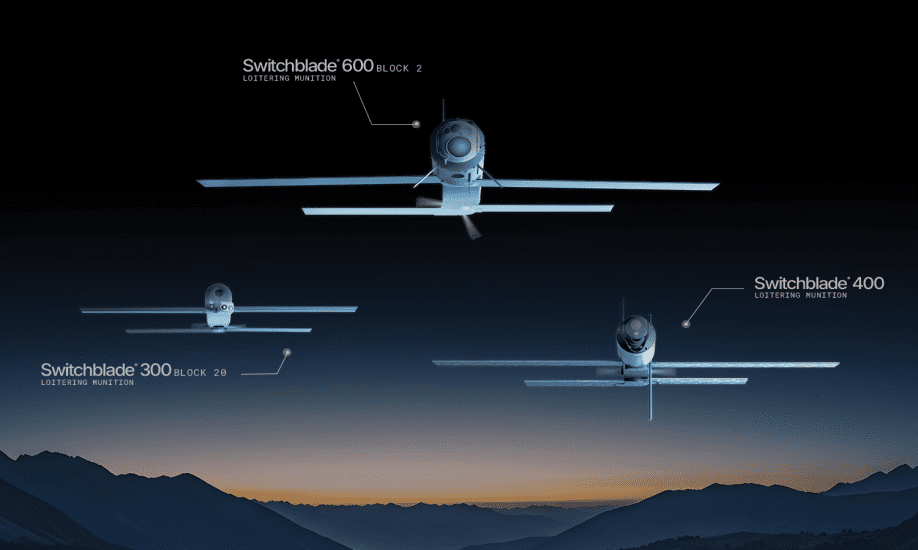
ARLINGTON, Va. — October 13, 2025 — AeroVironment, Inc. (“AV”) (NASDAQ: AVAV), the leading global provider of loitering munition systems, today announced the expansion of its combat-proven Switchblade® family of precision loitering munitions with three new systems: the Switchblade 600 Block 2, the Switchblade 400, and the Switchblade 300 Block 20 equipped with a modular explosively formed penetrator (EFP) payload. Together, these systems expand the Switchblade product line across echelons and mission sets–from backpackable, close-in lethal precision effects to long-endurance, multi-domain anti-armor solutions, ensuring warfighters maintain tactical overmatch in the most contested environments.

“Warfighters require scalable, reliable, and interoperable effects that can be tailored to the threat and the environment,” said Trace Stevenson, President of Autonomous Systems at AV. “These three new Switchblade variants deliver that flexibility and scalability. Each design builds on proven fielded capability while adding important new capabilities that reduce risk and expand mission sets.”

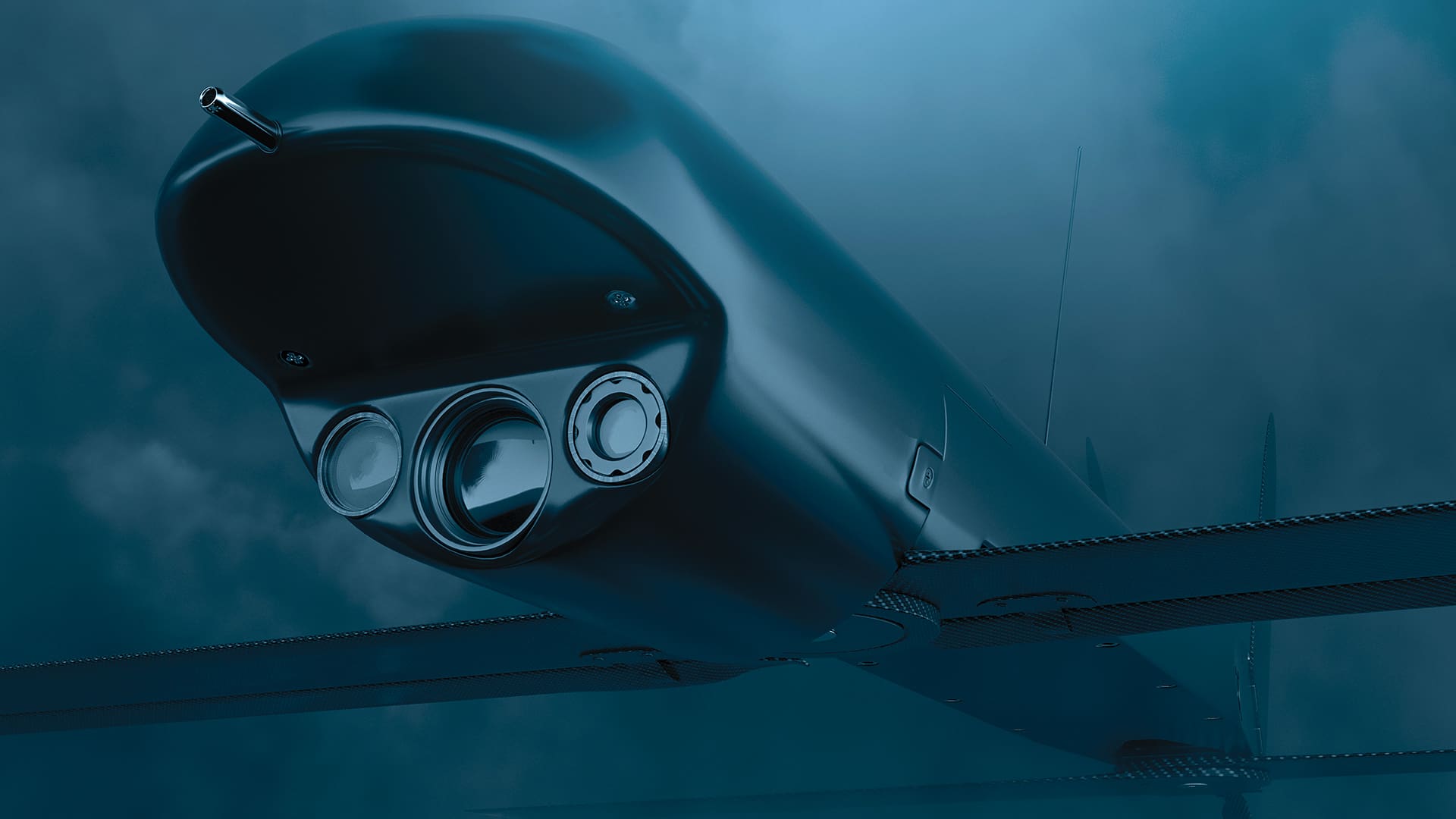
Switchblade® 600 Block 2 is a next-generation, long-endurance, multi-domain loitering munition with advanced avionics, pinpoint precision, and a secondary payload bay for multi-mission flexibility. Enhanced AI/ML-enabled onboard processing with advanced Automatic Target Recognition (ATR), encrypted M-Code GPS, and integrated Silvus MANET radios provides unmatched situational awareness and resilient Command and Control (C2) in contested environments. Switchblade 600 Block 2 offers 20% longer endurance and 100+km handoff and relay range and is IP67-rated for maritime applications.

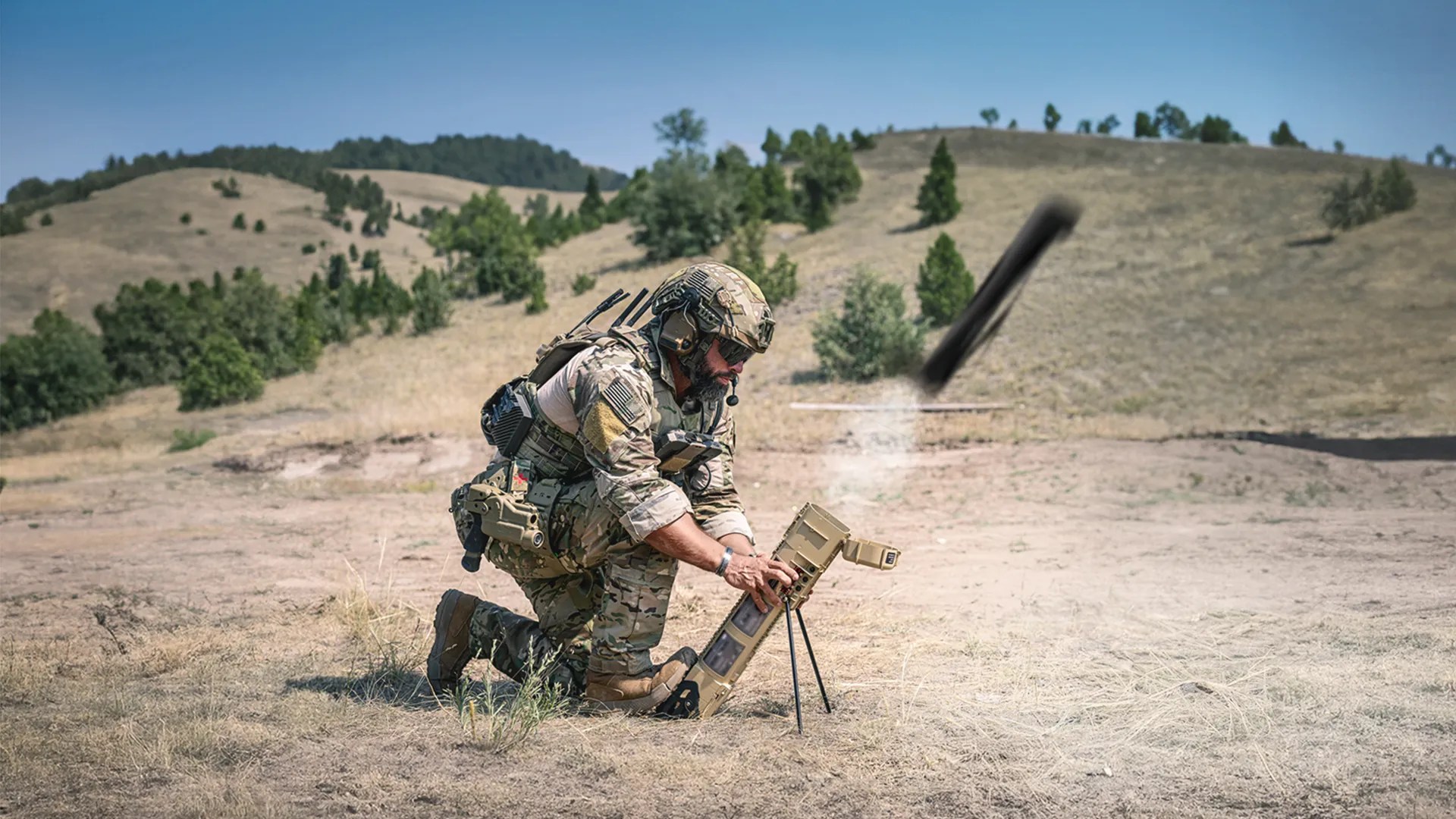
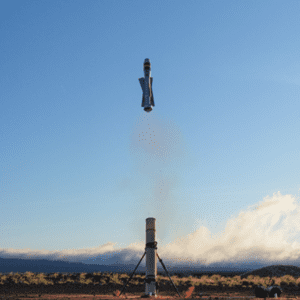
The all-new Switchblade® 400 is a medium-range, man-portable anti-armor loitering munition with rocket-assisted take-off (RATO). At under 40 pounds for the all-up round (AUR), the effector provides a single soldier with lethal standoff capability in under five minutes to defeat tanks and heavily armored targets with precision accuracy. Sized to fit in common launch tubes (CLT), the unit’s design streamlines training and enables rapid, plug-and-play integration. Its ATR and advanced edge computing provide autonomous detection, classification, and elimination of threats–day or night.

The combat-proven Switchblade® 300 Block 20 now features a modular payload bay, supporting an Explosively Formed Penetrator (EFP) warhead for increased lethality against armored threats. With the AUR weighing just 7.2 lbs, the backpackable precision loitering munition enables a single operator to deliver beyond-line-of-sight (BLOS) lethal effects in less than two minutes with improved endurance. The updated platform features an enhanced sensor and panning camera suite, a touchscreen tap-to-target interface with multiple commit angles, user-selectable point of detonation with continuous Positive Identification (PID), and extended range with an optional 30 km antenna.

Developed with Modular Open Systems Approach (MOSA) standards, the new Switchblade systems allow seamless integration with command and control (C2) platforms, including ATAK, Nett Warrior, and AV_Halo™ Command Tactical software with Kinesis universal tactical control architecture for fast, intuitive operation. Driven by AV_Halo Vision (previously AV’s SPOTR-Edge™ software) – part of AV’S unified suite of mission-ready software tools – these platforms provide onboard computer vision for detection, classification, localization, and tracking of operationally relevant objects, including people, vehicles, and maritime vessels–day or night, even in GPS-denied or comms-degraded environments. With a common design architecture, the systems share the same tablet-based Fire Control user interface (UI), patented wave-off and recommit features, encrypted datalinks, and mission planning–reducing logistical burdens and operator training time.

“AV has delivered thousands of Switchblade systems over the last 13 years, with hundreds of combat engagements shaping our design evolution,” said Jimmy Jenkins, Executive Vice President of Precision Strike and Defense Systems at AV. “The new Switchblade systems are warfighter-driven solutions—faster, smarter, and optimized for multi-domain operations. Our continuous innovation ensures US and allied forces remain equipped with rapid, adaptable, and overwhelming precision strike effects to maintain a tactical advantage on the modern battlefield.”

From US soldiers to frontline Ukrainian warfighters, Switchblade is the trusted, battle-proven loitering munition system of choice–offering cost-effective lethality in contested, congested battlespaces. The all-new Switchblade 400, Switchblade 600 Block 2, and Switchblade 300 Block 20 with EFP build on this legacy of innovation and reliability. AV is investing in the rapid expansion of its Switchblade manufacturing capacity–accelerating production of its Switchblade 600 over the last year from 40 to 240 systems per month. With growing demand from US and allied forces, continued investments in its Simi Valley, California, manufacturing facility, and the opening of its new next-generation manufacturing facility in Salt Lake City, Utah, AV anticipates production growth to more than 1,200 per month in the near future.

###

About AV

AV (NASDAQ: AVAV) is a defense technology leader delivering integrated capabilities across air, land, sea, space, and cyber. The Company develops and deploys autonomous systems, loitering munitions, counter-UAS technologies, space-based platforms, directed energy systems, and cyber and electronic warfare capabilities—built to meet the mission needs of today’s warfighter and tomorrow’s conflicts. At the core of these technologies lies AV_Halo, a modular, mission-ready suite of AI-powered software tools that empowers warfighters and enables full-battlefield dominance: detect, decide, deliver. With a national manufacturing footprint and a deep innovation pipeline, AV delivers proven systems and future-defining capabilities at speed, scale, and operational relevance. For more information, visit www.avinc.com.

Safe Harbor Statement

Certain statements in this press release may constitute “forward-looking statements” as defined in the Private Securities Litigation Reform Act of 1995. These statements are based on current expectations, forecasts, and assumptions that involve risks and uncertainties, which could cause actual results to differ materially. Factors that may cause such differences include, but are not limited to, our ability to perform under existing contracts and obtain new ones; regulatory changes; competitor activities; market growth; product development challenges; and general economic conditions. For a more detailed discussion of these risks, please refer to AeroVironment’s filings with the Securities and Exchange Commission. We undertake no obligation to update forward-looking statements as a result of new information or future events.

/////////////////////////////////////////////////////////////////////////////////////////////////////

For additional media and information, please follow us:

Media Contact:

Ashley Young
pr@avinc.com
703.718.4060

Investor Contact:

Denise Pacioni
ir@avinc.com
805.795.4108


About AeroVironment, Inc.

AeroVironment (“AV”) (NASDAQ: AVAV) is a defense technology leader delivering integrated capabilities across air, land, sea, space, and cyber. The Company develops and deploys autonomous systems, loitering munitions, counter-UAS technologies, space-based platforms, directed energy systems, and cyber and electronic warfare capabilities—built to meet the mission needs of today’s warfighter and tomorrow’s conflicts. At the core of these technologies lies AV_Halo, a modular, mission-ready suite of AI-powered software tools that empowers warfighters and enables full-battlefield dominance: detect, decide, deliver. With a national manufacturing footprint and a deep innovation pipeline, AV delivers proven systems and future-defining capabilities at speed, scale, and operational relevance. For more information, visit www.avinc.com.


Safe Harbor Statement

Certain statements in this press release may constitute “forward-looking statements” as that term is defined in the Private Securities Litigation Reform Act of 1995. These statements are made on the basis of current expectations, forecasts and assumptions that involve risks and uncertainties, including, but not limited to, economic, competitive, governmental and technological factors outside of our control, that may cause our business, strategy or actual results to differ materially from those expressed or implied. Factors that could cause actual results to differ materially from the forward-looking statements include, but are not limited to, our ability to perform under existing contracts and obtain additional contracts; changes in the regulatory environment; the activities of competitors; failure of the markets in which we operate to grow; failure to expand into new markets; failure to develop new products or integrate new technology with current products; and general economic and business conditions in the United States and elsewhere in the world. For a further list and description of such risks and uncertainties, see the reports we file with the Securities and Exchange Commission. We do not intend, and undertake no obligation, to update any forward-looking statements, whether as a result of new information, future events or otherwise.


Contact:

AeroVironment
+1.703.418.2828
pr@avinc.com

Let’s Advance Your Mission

Product Catalog

View the full catalog to explore our solutions in detail.

Press Release

AV Secures $288 Million Delivery Order on $990 Million Contract with U.S. Army

02/03/2025

AV Secures $288 Million Delivery Order on $990 Million Contract with U.S. ArmyARLINGTON, Va., February 03, 2025 – AeroVironment (AV), a global leader in intelligent, multi-domain robotic systems, today announced it has been awarded its third delivery order for Switchblade® loitering munition systems in the amount of $288 million as part of U.S. Army’s Directed Requirement (DR) for Lethal Unmanned Systems (LUS).  This is the third award in the last 12 months, totaling $471.3 millions.  This award is the third such delivery order awarded to AV as part of the multi-year contract with a ceiling value of $990M, which was secured in August 2024.

“AV is honored to continue fulfilling this important contract providing the U.S. Army with exceptional and reliable loitering munition solutions,” said Brett Hush, AV’s senior vice president and general manager of Loitering Munition Systems. “We continue to deliver for the U.S. Army with our superior supply chain and manufacturing capacity.”

Switchblade represents the next generation of extended-range loitering munition systems, providing operators in the field with a multi-mission loitering munition system capable of multi-domain operations. The combat-proven system also features high-precision optics and extended loitering endurance.


Let’s Advance Your Mission

Product Catalog

View the full catalog to explore our solutions in detail.