nxtHealth®.Rehab.XR

nxtHealth®.Rehab.XR

nxtHealth®.Rehab.XR

Cognitive Rehabilitation

Assessing Readiness for Return to Duty

To return to duty, service members must have the physical and cognitive ability to effectively conduct their operational military tasks.

Spatial navigation and fire team movement techniques require effective integration of visual, vestibular, and proprioceptive stimuli under cognitive and environmental stress. Service members must be able to multitask to be successful in their military duties both in garrison and while deployed.

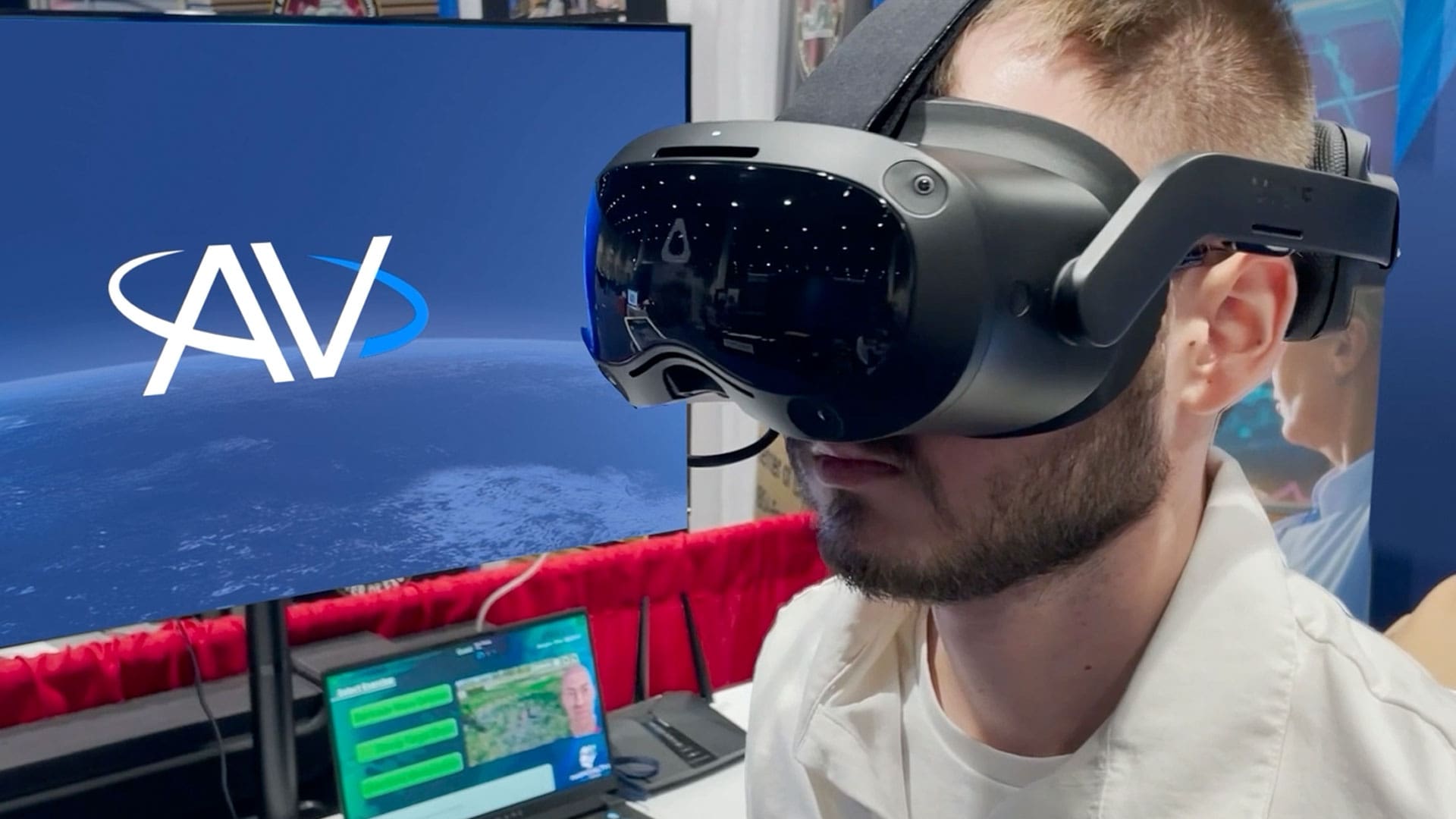
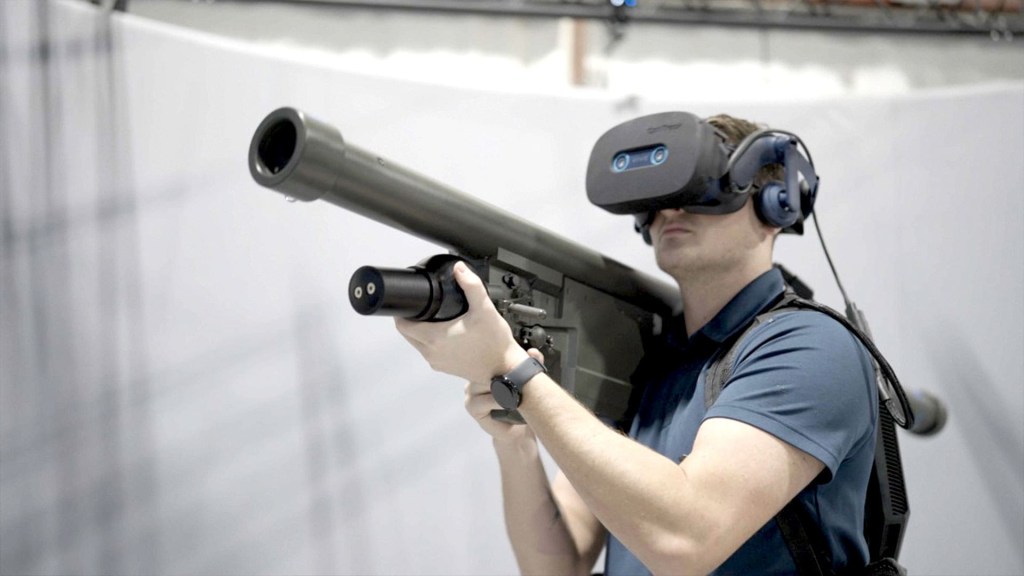
Commanders and medical providers need objective measures for return-to-duty (RTD) decision making, and these measures should encompass military-specific multitasking. Mobility testing with a cognitive dual task is a simple means to assess this. The addition of extended reality (XR) to rehabilitation and testing adds realism to training for combat situations without the risk of harm.

Immersive Games

Barricade Wave Defense

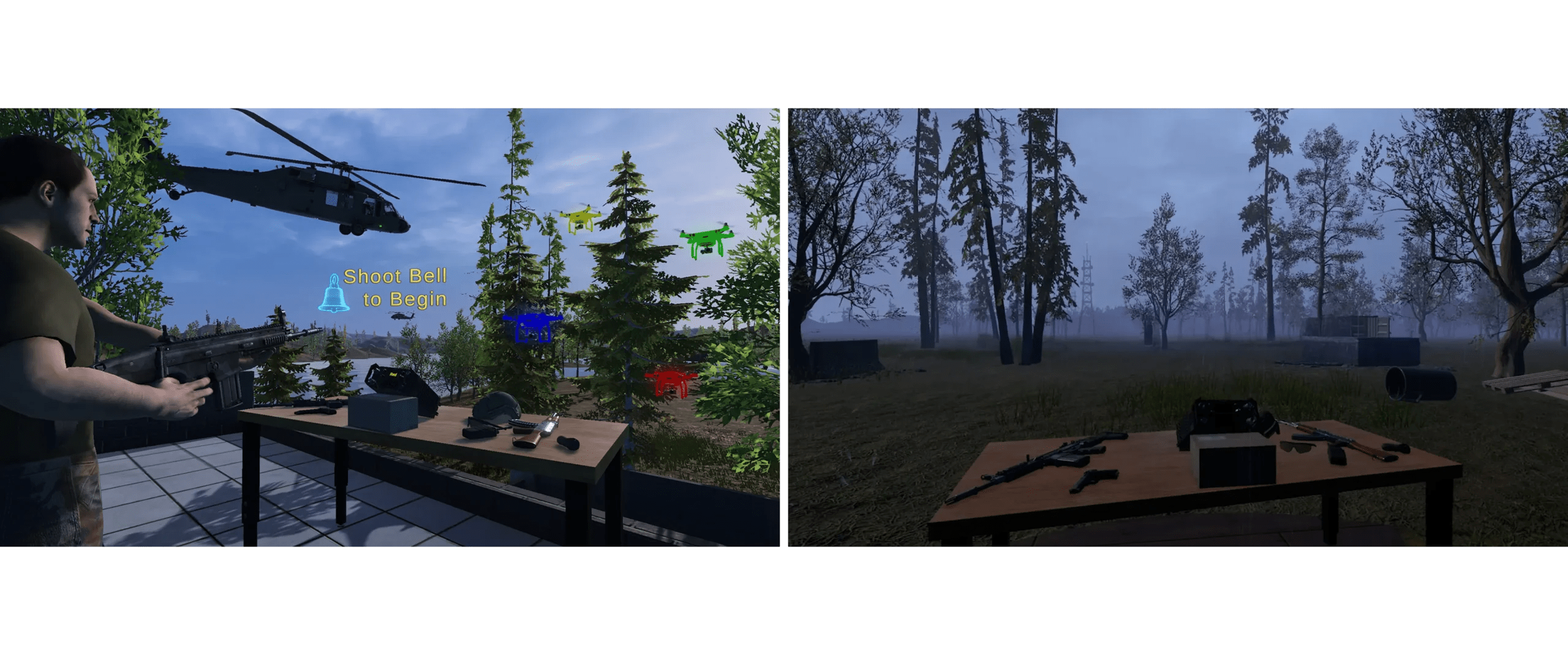
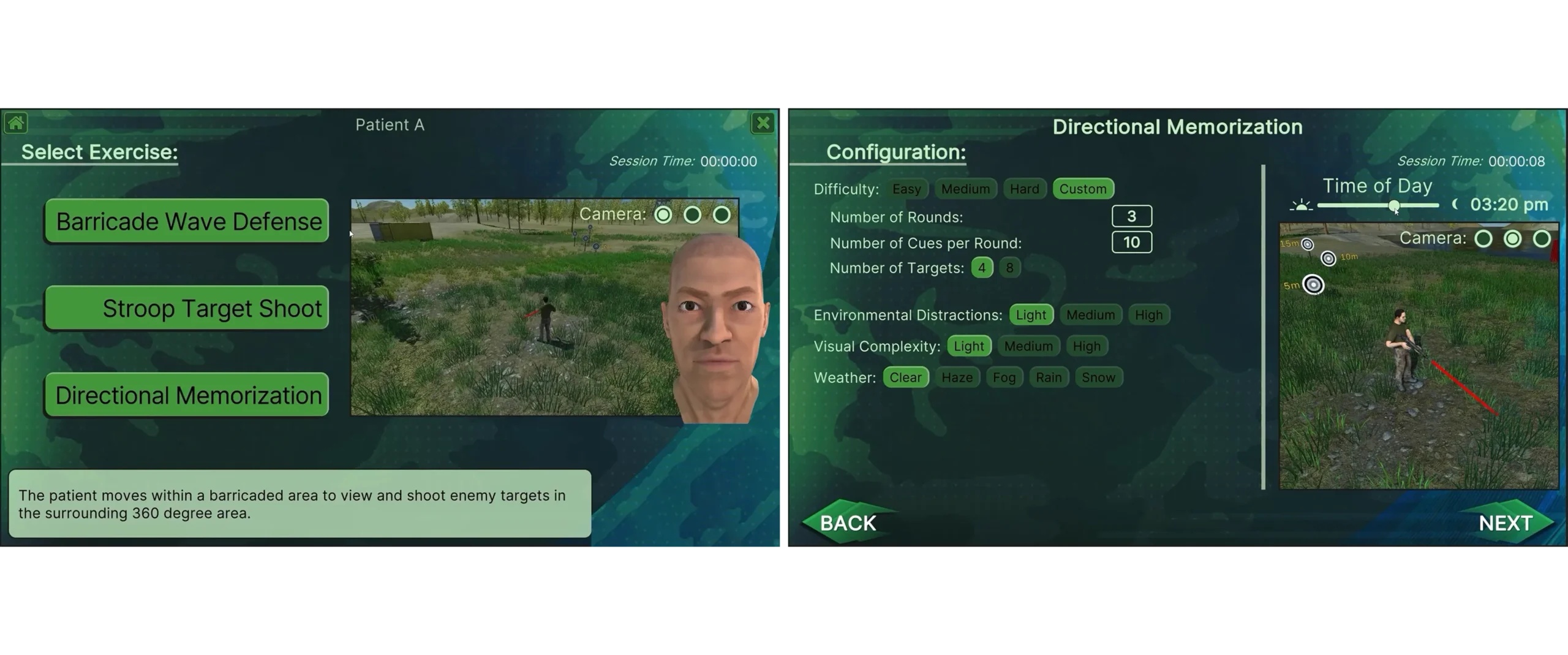
In Barricade Wave Defense, patients shoot enemies from behind a barricade which requires them to move their heads and bodies. This game challenges attention, dynamic stability, agility, reaction time, gaze stability, smooth pursuit, and monocular vision.
Stroop Target Shoot

In Stroop Target Shoot, patients memorize the location of colored drones and shoot those matching the color of the cue (vs. the named color). This game challenges spatial memory, attention, response inhibition, reaction time, smooth pursuit, saccades, gaze stability, and dynamic stability.

Directional Memorization

In Directional Memorization, patients memorize a direction orientation and then shoot enemies in response to directional cues. This game challenges spatial memory, attention, smooth pursuit, gaze stability, and dynamic stability.

Related Solutions

ARK™
Air
Land
ARK™

ARK™